

Navigating distressing and persistent penile symptoms can be an isolating and deeply anxious experience, particularly when medical professionals seem unable to provide a clear diagnosis. If you have been grappling with a semi-rigid, numb, or painful flaccid state, it is crucial to know that your concerns are valid and you are not alone. This complex condition requires specialist understanding, and for many men in Nottinghamshire, the search for answers begins with one fundamental question: what is hard flaccid syndrome?
This comprehensive clinical guide is designed to provide that clarity. Created by our team of men’s health specialists, this article will walk you through the defining symptoms, explore the potential underlying causes, and detail the bespoke, non-invasive treatment plans available to help you find lasting relief. Our goal is to move you from a state of uncertainty and distress towards a clear diagnosis and an effective, confidential pathway to restoring your quality of life right here in Nottinghamshire.
Key Takeaways
- Recognise the specific physical and secondary symptoms of HFS to understand if this complex pelvic pain condition applies to your situation.
- Understand what is hard flaccid syndrome by exploring its primary underlying cause: chronic over-tightness in the pelvic floor muscles (hypertonicity).
- Discover the clear, confidential clinical pathway for securing an accurate diagnosis from a male pelvic health specialist here in Nottinghamshire.
- Learn about the effective, multi-faceted treatment strategies that focus on releasing deep muscle tension and calming the nervous system to restore function.
Defining Hard Flaccid Syndrome (HFS): A Clinical Overview
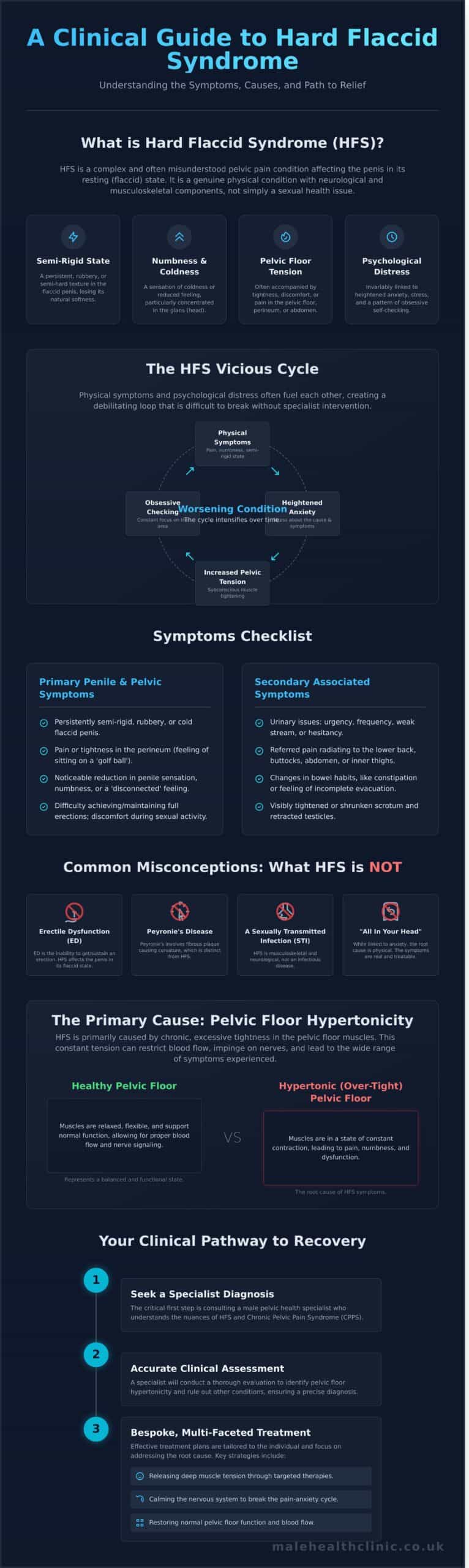
For men experiencing its symptoms, the primary question is often: what is hard flaccid syndrome? Clinically, Hard Flaccid Syndrome (HFS) describes a persistent or semi-persistent state of semi-rigidity in the flaccid penis, often accompanied by numbness, coldness, and a loss of natural sponginess. It is a complex and frequently misunderstood pelvic pain condition, not simply a sexual health issue. The physical symptoms are invariably linked to significant psychological distress, including heightened anxiety, stress, and a pattern of obsessive self-checking, which can create a debilitating cycle for the individual.
It is vital to differentiate HFS from more commonly known conditions. Unlike Erectile Dysfunction (ED), which concerns the inability to achieve or sustain an erection for intercourse, HFS affects the penis in its resting state. It is also distinct from Peyronie’s Disease, which is characterised by fibrous plaque causing a penile curvature. For men in Nottinghamshire and the surrounding areas, please be reassured: these symptoms are real, they have a physiological basis, and with specialist care, they are treatable.
What Does ‘Hard Flaccid’ Actually Feel Like?
Patients who consult with our specialists often describe a consistent set of unsettling physical sensations. These typically include:
- A firm, rubbery, or semi-hard texture of the penis, even when completely non-aroused.
- A feeling of coldness or numbness, particularly concentrated in the glans (the head of the penis).
- A concurrent sense of tightness, discomfort, or pain in the pelvic floor, perineum, or lower abdomen.
- The loss of the penis’s natural soft ‘hang’ and pliability when flaccid, making it feel retracted or smaller.
Common Misconceptions About HFS
Due to a lack of widespread understanding, several myths surround HFS. It is crucial to clarify that this condition is not ‘all in your head’; it is a genuine physical condition with neurological and musculoskeletal components. Furthermore, HFS is not a sexually transmitted infection (STI), nor is it a form of priapism, which is a prolonged and painful erection requiring emergency medical attention. Understanding what HFS is not helps in seeking the correct diagnostic path.
Why is HFS a Controversial Diagnosis?
One of the greatest challenges for patients is that HFS is not yet listed in many standard medical textbooks or diagnostic manuals. Its symptoms significantly overlap with other conditions, most notably Chronic Pelvic Pain Syndrome (CPPS), which can lead to misdiagnosis. For a general clinical perspective, this Hard Flaccid Syndrome overview offers further context on its classification. This diagnostic complexity underscores the importance of seeking a specialist opinion. If you are in the Nottingham area, consulting with a men’s health expert who recognises the nuances of HFS is the critical first step toward an effective, bespoke treatment plan.
Recognising the Symptoms: A Checklist for Nottinghamshire Patients
Understanding the answer to what is hard flaccid syndrome begins with recognising its complex and often distressing range of symptoms. The condition manifests differently for each individual, but there are common patterns our specialists frequently see. If you are a patient in Nottinghamshire or the surrounding areas, this checklist can help you identify and articulate your experience, which is a crucial first step toward an accurate diagnosis and a tailored treatment plan.
Primary Penile and Pelvic Symptoms
The most defining symptoms are typically located in the penis and pelvic floor. Many men we see at our clinic report a combination of the following:
- A persistently semi-rigid, rubbery, or spongy flaccid penis that may feel cold to the touch.
- Pain, pressure, or a feeling of tightness in the perineum (the area between the scrotum and anus), sometimes described as sitting on a ‘golf ball’.
- A noticeable reduction in penile sensation, numbness, or a disconnected feeling.
- Difficulties achieving or maintaining a full, rigid erection, alongside pain or discomfort during or after sexual activity.
Secondary Associated Symptoms
HFS is a systemic condition, meaning its effects can extend beyond the immediate pelvic region. This is often due to chronic tension in the pelvic floor muscles, which can impact adjacent structures. Associated symptoms may include:
- Urinary issues such as increased urgency, frequency, a weak stream, or hesitancy.
- Referred pain that radiates to the lower back, buttocks, abdomen, or inner thighs.
- Changes in bowel habits, including constipation or a feeling of incomplete evacuation.
- A visibly tightened or shrunken scrotum, with testicles that retract and sit higher than usual.
The Psychological and Emotional Toll
The physical symptoms of Hard Flaccid Syndrome are only part of the picture. The persistent discomfort and uncertainty can exact a significant psychological toll. This profound connection between mind and body is why a comprehensive biopsychosocial management approach to HFS is often required for effective treatment. Patients commonly experience:
- Heightened health anxiety, leading to an obsessive focus on the penis and pelvic region.
- Avoidance of intimacy and social situations due to fear, pain, or embarrassment.
- Profound feelings of isolation, hopelessness, and depression.
At our Nottinghamshire clinic, we provide a discreet and understanding environment where these concerns are addressed with the seriousness and compassion they deserve.
Because symptom presentation varies so widely, we encourage patients to keep a simple log of their experiences. Noting the type, frequency, and severity of your symptoms provides invaluable information during your confidential consultation, allowing our specialists to build a complete picture of your condition and begin developing your bespoke recovery pathway.
Investigating the Potential Causes of Hard Flaccid Syndrome
Understanding the origins of Hard Flaccid Syndrome (HFS) is a critical step toward effective treatment. While the precise cause can be unique to each patient, clinical evidence points towards a complex interplay of musculoskeletal, neurological, and psychological factors. The condition is rarely the result of a single event; rather, it often develops from a cascade of contributing issues. Answering what is hard flaccid syndrome from a causal perspective involves examining this multifactorial picture.
The Central Role of the Pelvic Floor Muscles
The leading theory attributes HFS to chronic hypertonicity, or excessive tightness, of the pelvic floor muscles. These muscles form a supportive sling at the base of the pelvis, playing a vital role in urinary, bowel, and sexual function. When they become chronically tense, they can compress critical nerves (such as the pudendal nerve) and restrict arterial blood flow to the penis. This dual action of nerve irritation and vascular constriction can directly cause the signature symptoms of numbness, coldness, and a semi-rigid flaccid state. A specialist assessment by a men’s health physiotherapist can accurately diagnose this dysfunction.
Potential Triggers and Aggravating Factors
Several events or ongoing situations can initiate or worsen pelvic floor hypertonicity. Identifying these is a key part of forming a bespoke treatment plan. Common factors include:
- Physical Trauma: An injury to the pelvis, perineum, or lower back, or trauma resulting from aggressive sexual activity or improper stretching (e.g., “jelqing”).
- Psychological Stress and Anxiety: High-stress states can lead to unconscious and sustained clenching of the pelvic muscles, a common physiological response to anxiety.
- Postural Issues: Lifestyle factors, such as prolonged sitting common in desk jobs across Nottinghamshire or extensive cycling, can contribute to chronic pelvic tension and muscle imbalance.
- The Anxiety-Symptom Cycle: Worrying about the symptoms can, in itself, increase pelvic muscle tension and neurological sensitivity, creating a debilitating feedback loop that perpetuates the condition.
The Neurological Component: A ‘Wind-Up’ Nervous System
A crucial element of HFS is the involvement of the central nervous system. Over time, persistent pain or abnormal signals from the pelvic floor can lead to a state known as central sensitisation. In simple terms, the nervous system becomes “wound-up” and over-reactive, amplifying sensations from the pelvic region. This neurological aspect, which is explored in this clinical overview of Hard Flaccid Syndrome, helps explain why symptoms can feel so intense and persistent. Our Nottingham clinic’s integrated approach specifically addresses this neural component to help recalibrate the brain’s response and achieve lasting relief.
Securing a Diagnosis: The Clinical Pathway in Nottinghamshire
Navigating the symptoms of Hard Flaccid Syndrome (HFS) can be an isolating and anxious experience. The first and most critical step towards recovery is securing an accurate diagnosis from a specialist in male pelvic health. A precise diagnosis demystifies the condition, provides clarity, and lays the foundation for a bespoke treatment plan. At our Nottinghamshire clinic, we approach this process with the utmost empathy and clinical rigour, ensuring you feel heard, respected, and confident in your pathway to recovery. Understanding what is hard flaccid syndrome in your specific case begins with a thorough, confidential assessment.
Your Initial Confidential Consultation
Your journey with us begins with a comprehensive and discreet discussion. This is a safe, non-judgemental environment where we build a complete picture of your health. The consultation will involve:
- A detailed discussion of your specific symptoms, their frequency, and their impact on your quality of life.
- An exploration of your medical history, lifestyle factors, stress levels, and any potential symptom triggers.
- Establishing a clear timeline of when your symptoms began and how they may have evolved.
- A dedicated opportunity for you to ask any questions you may have, ensuring you are fully informed and comfortable.
The Physical Examination Process
Following the consultation, a physical assessment is often necessary to evaluate the musculoskeletal components of the pelvic region. This is performed with complete discretion and your comfort as our highest priority. The examination typically includes a non-invasive external assessment of the abdominal, gluteal, and pelvic muscles to identify areas of tension or dysfunction. Where clinically indicated, a gentle internal rectal examination may be performed to directly assess the state of the pelvic floor muscles, checking for hypertonicity (tightness) and trigger points that contribute to HFS symptoms.
Ruling Out Other Medical Conditions
The symptoms of HFS can overlap with other conditions, such as chronic prostatitis, pudendal nerve entrapment, or vascular issues. A crucial part of our diagnostic process is to systematically rule out these other potential causes. This ensures your diagnosis is accurate and that the subsequent treatment targets the true source of the problem. While diagnosis is primarily based on clinical findings and patient history, we may discuss whether further investigations like a diagnostic ultrasound are necessary. This methodical approach confirms the diagnosis and allows us to move forward with a targeted strategy. If you are ready to understand the cause of your symptoms, the first step is a simple conversation.
Book a confidential Discovery Call to discuss your symptoms with our specialist team.
Advanced Hard Flaccid Syndrome Treatment Available in Nottinghamshire
Successfully treating Hard Flaccid Syndrome (HFS) requires a comprehensive, multi-faceted approach that moves beyond single-solution remedies. At our Nottinghamshire clinic, we have developed a bespoke treatment protocol founded on two core pillars: releasing chronic pelvic muscle tension and calming the overstimulated nervous system that drives the condition. Understanding what is hard flaccid syndrome from a clinical perspective allows us to create a tailored recovery plan that addresses both the physical symptoms and the psychological distress they cause.
Cornerstone Therapy: Pelvic Floor Rehabilitation
The primary goal of pelvic floor rehabilitation for HFS is not to strengthen, but to teach the pelvic muscles how to relax and release deep-seated tension. Under the guidance of a specialist pelvic physiotherapist, you will learn essential techniques such as diaphragmatic (belly) breathing and reverse Kegels. These exercises are designed to lengthen and relax the pelvic floor. This is often complemented by targeted manual therapy to release specific trigger points within the pelvic and abdominal muscles, alleviating pain and restoring normal function.
Innovative Treatments: Focused Shockwave Therapy
As part of our advanced treatment pathway, we utilise Focused Shockwave Therapy, a clinically-proven, non-invasive technology that directly addresses the muscular and vascular components of HFS. This therapy uses targeted acoustic waves to:
- Break down fibrous tissue and reduce chronic muscle tightness.
- Stimulate blood flow and promote the formation of new blood vessels (angiogenesis).
- Calm sensitised nerve endings, helping to down-regulate the nervous system’s ‘fight or flight’ response.
This innovative treatment is a key component of the care we provide, offering a powerful method to accelerate physical recovery.
Addressing the Psycho-Social Aspect
The persistent nature of HFS often leads to significant stress, anxiety, and hypervigilance. Our holistic approach recognises that mental well-being is integral to physical recovery. We integrate stress management techniques, such as mindfulness and meditation, and guide patients on a graded return to normal activities to rebuild confidence. Where appropriate, we advocate for professional psychological support or counselling to provide a safe space to address the emotional impact of the condition, ensuring both body and mind are supported throughout the healing process.
Recovery from Hard Flaccid Syndrome is a process that requires patience, expert guidance, and a commitment to a structured plan. It is not an overnight cure, but with a sophisticated, empathetic, and tailored approach, significant improvement is achievable. If you are ready to take the next step towards recovery, we invite you to learn more about our discreet and comprehensive treatment programmes.
Your Pathway to Recovery in Nottinghamshire
Navigating the complexities of Hard Flaccid Syndrome can be a distressing experience. This guide has aimed to provide clinical clarity, answering the critical question of what is hard flaccid syndrome by outlining its symptoms, potential causes, and the diagnostic process. The most important takeaway is that this is a recognised condition, and a clear, clinical pathway to recovery exists right here in Nottinghamshire.
At Male Health Clinic, we specialise in complex male health conditions. Our team provides completely discreet, confidential consultations, utilising advanced non-invasive treatment technologies to create a bespoke plan tailored to your unique circumstances. We understand the sensitivity of this condition and are committed to delivering expert care with the dignity and empathy you deserve.
If you are ready to take the next step towards regaining control and restoring your quality of life, we are here to help. Schedule your confidential Discovery Call to discuss a bespoke treatment plan. A solution is within reach.
Frequently Asked Questions About Hard Flaccid Syndrome
Is Hard Flaccid Syndrome permanent or can it be cured?
Hard Flaccid Syndrome is not considered a permanent condition. While the symptoms can be persistent and distressing, they are treatable with a comprehensive, multi-faceted approach. Recovery typically involves specialist pelvic floor physiotherapy, targeted therapies like shockwave treatment, and addressing any underlying psychological factors. With a bespoke treatment plan tailored to your specific diagnosis, a return to normal function and a significant reduction in symptoms is a realistic and achievable goal for most patients.
How is Hard Flaccid Syndrome different from simple Erectile Dysfunction?
The primary distinction lies in the state of the penis. Erectile Dysfunction (ED) is defined by the inability to achieve or maintain an erection sufficient for sexual activity. In contrast, Hard Flaccid Syndrome primarily affects the penis in its non-aroused, flaccid state, causing it to feel semi-rigid, numb, or cold. While men with HFS may also experience erectile difficulties, the defining characteristic is the abnormal and uncomfortable nature of the flaccid penis itself.
Can exercise or stretching make Hard Flaccid Syndrome worse?
Yes, certain types of exercise can potentially worsen HFS symptoms. Aggressive stretching, heavy weightlifting, or intense abdominal exercises can increase tension in an already hypertonic pelvic floor, exacerbating the condition. It is crucial that any physical therapy is guided by a specialist who understands HFS. The focus should be on targeted relaxation and release techniques, not conventional strengthening exercises, to ensure the pelvic floor muscles can return to a healthy, normal resting state.
Why don’t many GPs in Nottinghamshire know about Hard Flaccid Syndrome?
Hard Flaccid Syndrome is a complex and relatively newly defined condition that is not yet widely covered in standard GP training curricula. General Practitioners in Nottinghamshire and across the UK must maintain an exceptionally broad knowledge base, and HFS falls into a highly specialised area of men’s health. This is why it is essential to consult a specialist clinic, as our practitioners have the focused expertise required for an accurate diagnosis and effective, evidence-based management.
How long does treatment for Hard Flaccid Syndrome typically take?
The duration of treatment is highly individual and depends on several factors, including symptom severity, the underlying causes, and a patient’s consistent engagement with their bespoke treatment plan. Some individuals may notice improvements within a few weeks of starting specialist physiotherapy and therapy. For others, a more comprehensive recovery may take several months. Our clinical team will provide a realistic prognosis following a thorough initial assessment and will continually monitor your progress throughout your journey.
Is it safe to have sex if I have Hard Flaccid Syndrome?
Medically, engaging in sexual activity is not considered dangerous if you have Hard Flaccid Syndrome; the condition does not pose a direct physical risk. However, it may be associated with pain, numbness, or psychological distress, which can negatively impact the experience. We encourage open communication with your partner and advise patients to listen to their bodies. The ultimate goal of our treatment is to resolve these symptoms, thereby restoring a comfortable and confident sexual life.
What is the first step I should take if I suspect I have HFS in Nottinghamshire?
If you are in Nottinghamshire and suspect you have HFS, the most critical first step is to schedule a confidential consultation with a specialist clinic. A formal assessment with a medical professional experienced in diagnosing and treating this condition is essential to confirm the diagnosis and develop a bespoke treatment strategy. Understanding what is hard flaccid syndrome from an expert perspective is key to recovery. We encourage you to book a discreet appointment with our specialists today.